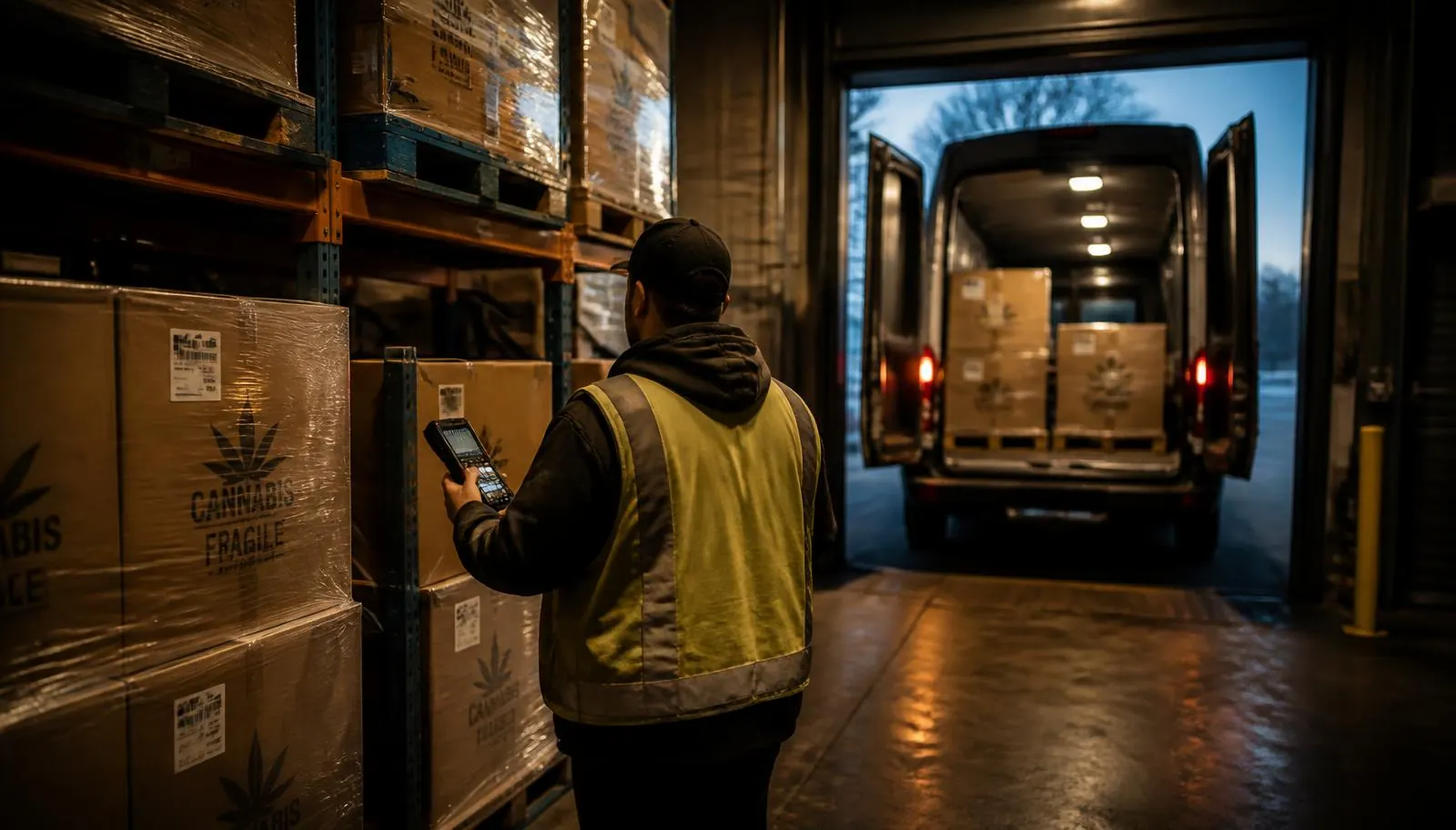
Delivery cost is disallowed cost
Drivers, vehicles, fuel, insurance and dispatch software are retail distribution expenses. They reduce Oregon taxable income through the state subtraction but not federal taxable income. Operators who assume delivery expense is capitalizable are often surprised by the federal result.
Route and order economics
We measure cost per delivery, average order value, orders per hour and the contribution margin of the channel against in-store sales, so expansion into a new delivery zone is a decision supported by numbers.
Drivers, classification and cash
Driver classification is an audit-sensitive question, and cash collected in the field is a control problem. We document classification decisions and build reconciliation routines covering vehicle inventory, collected funds and returned product.